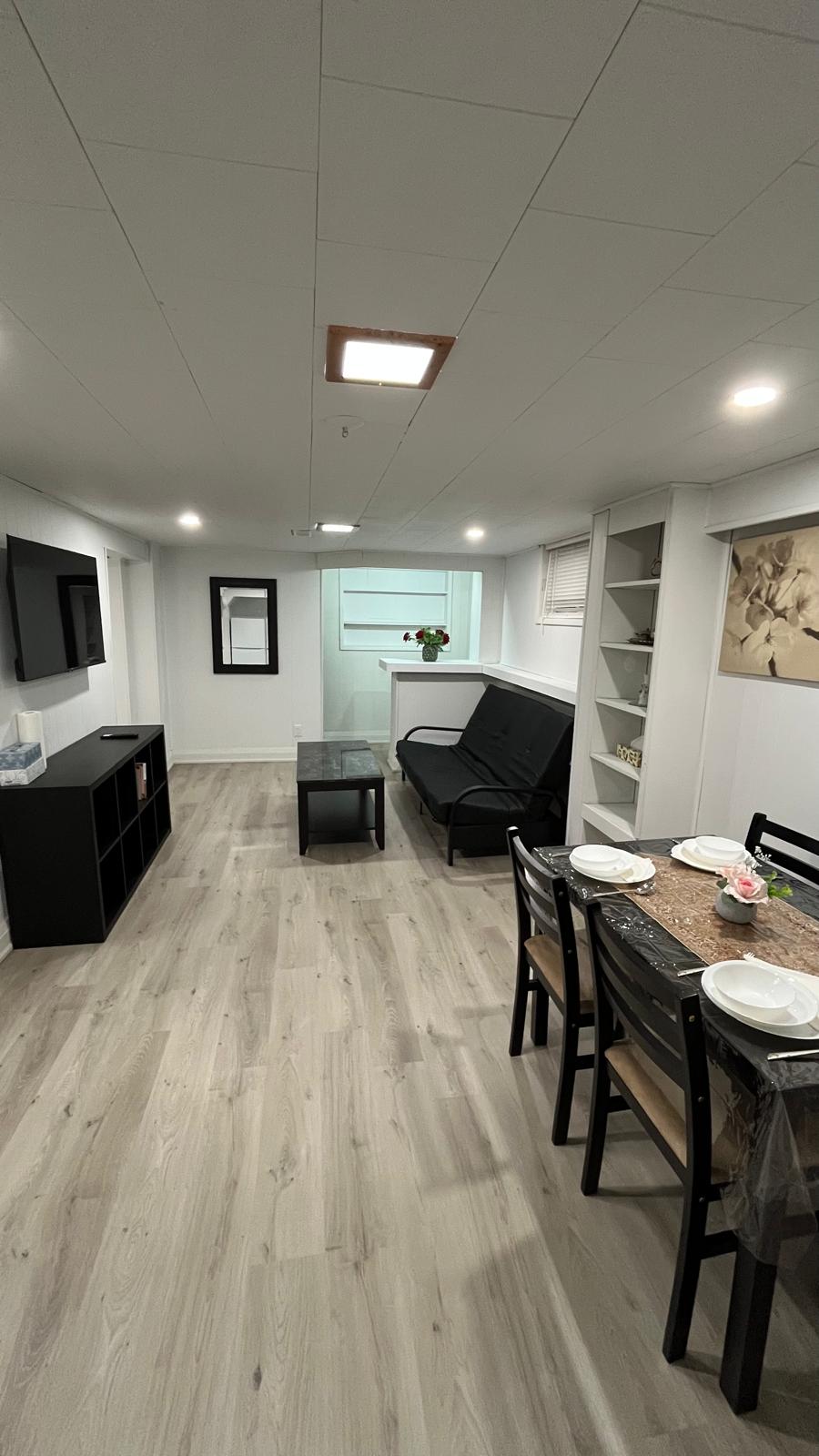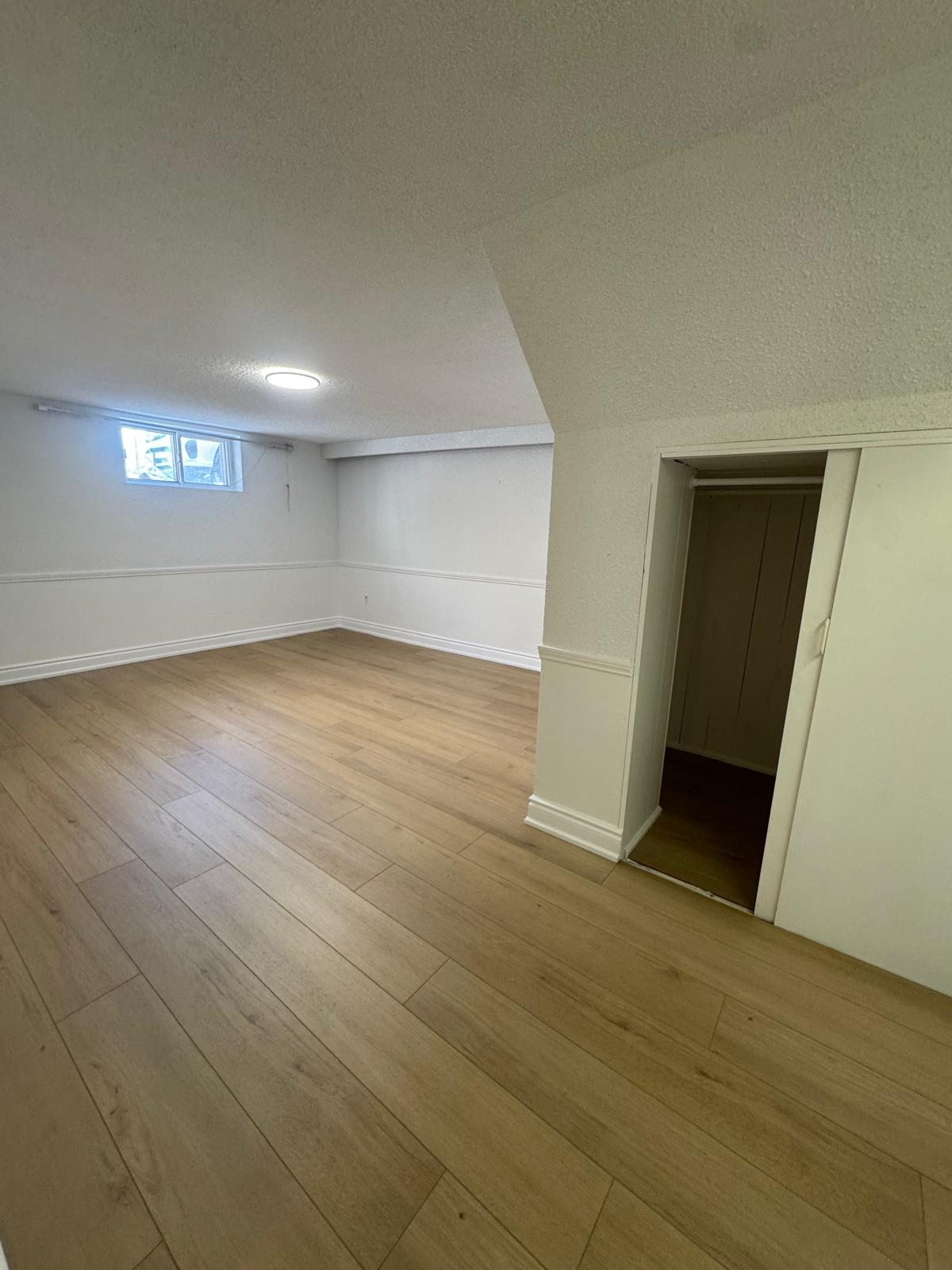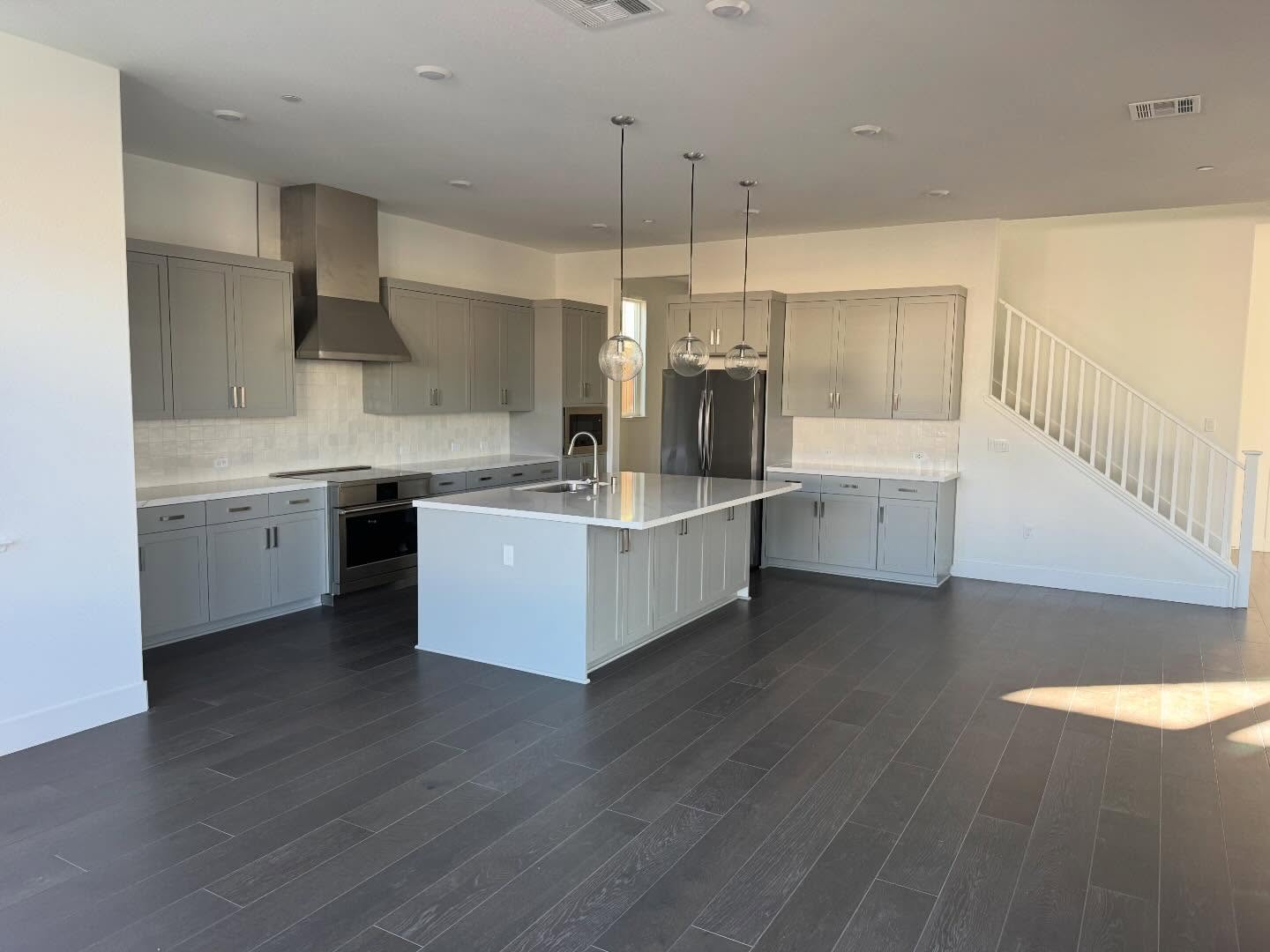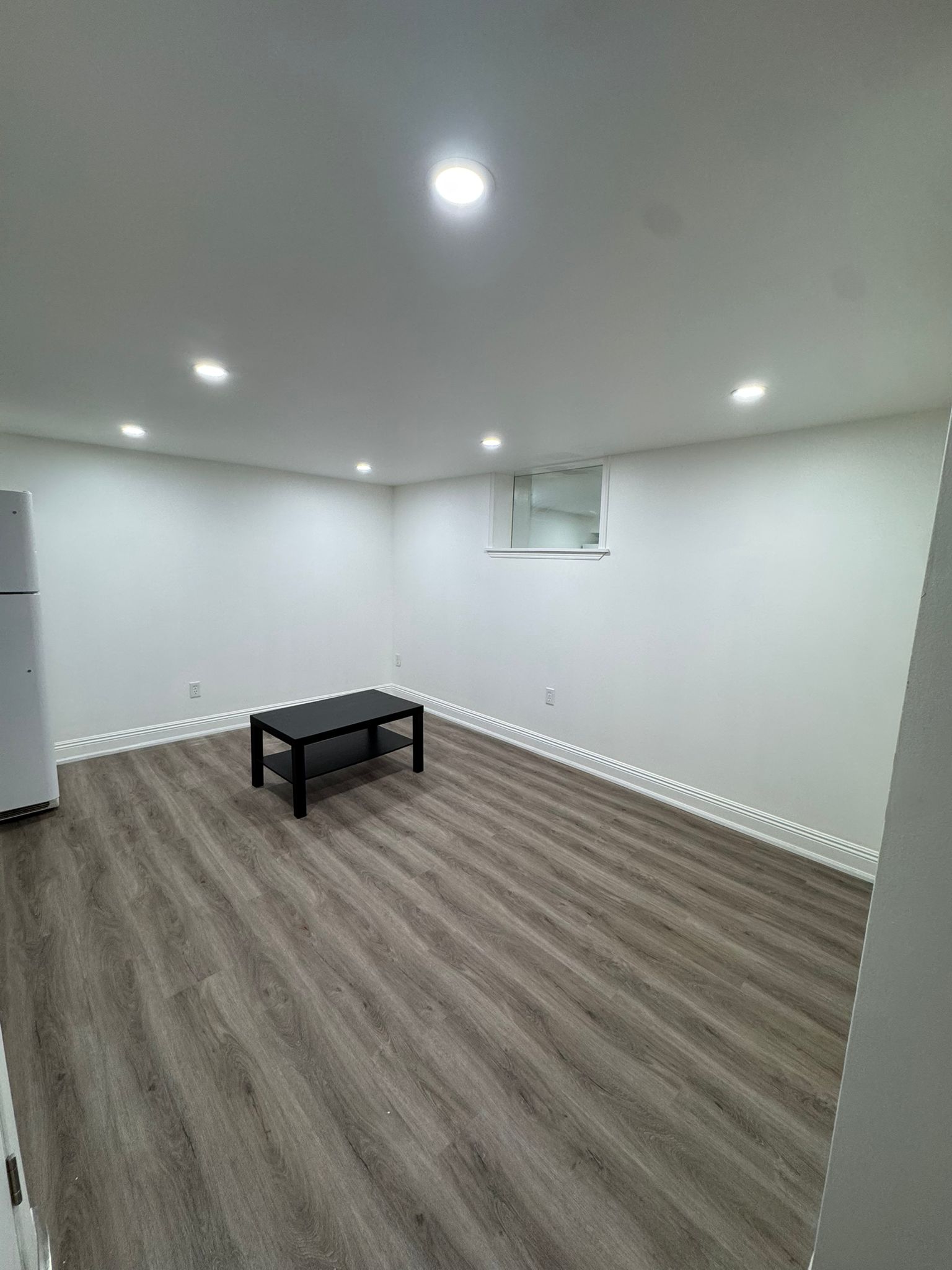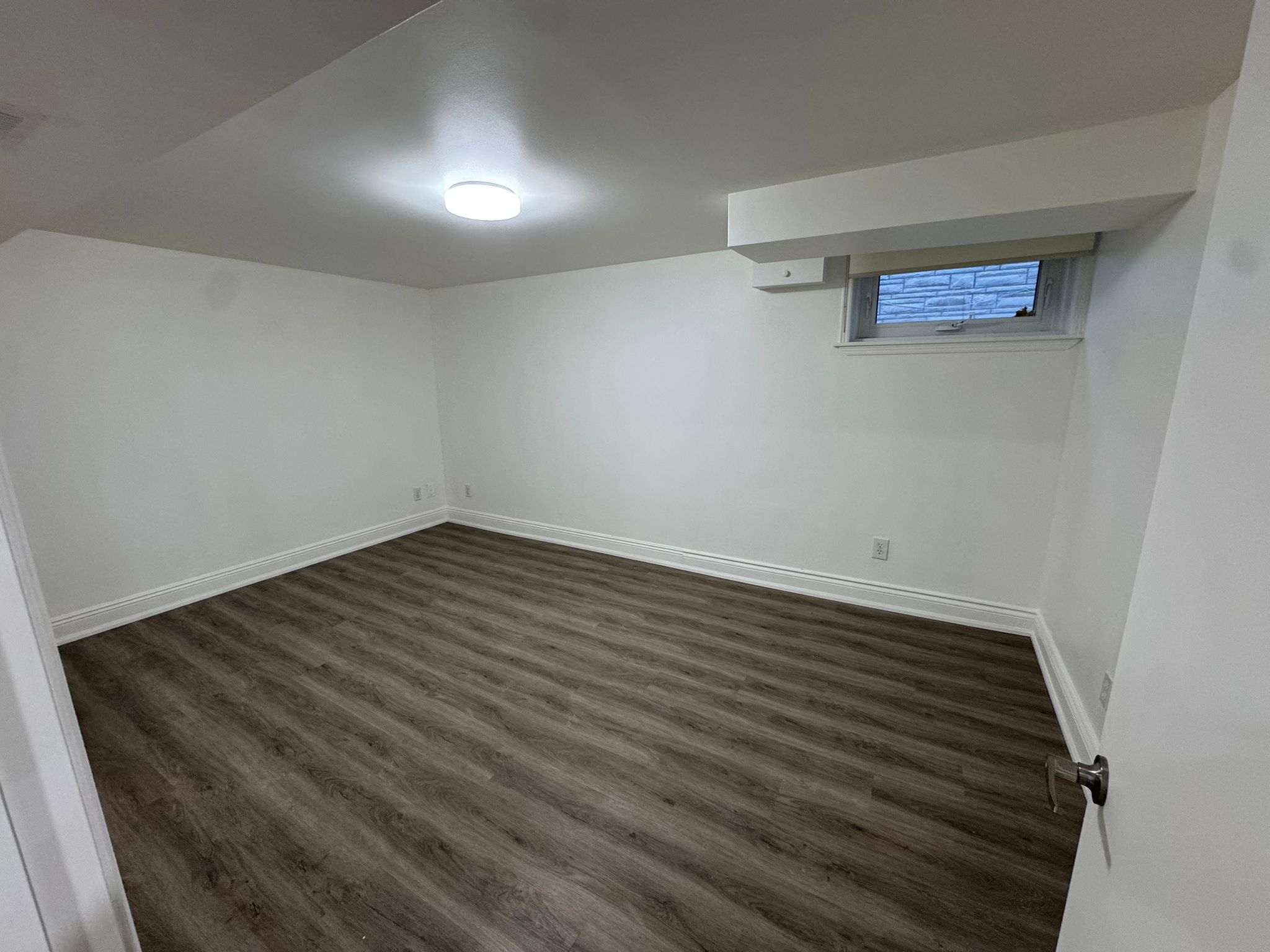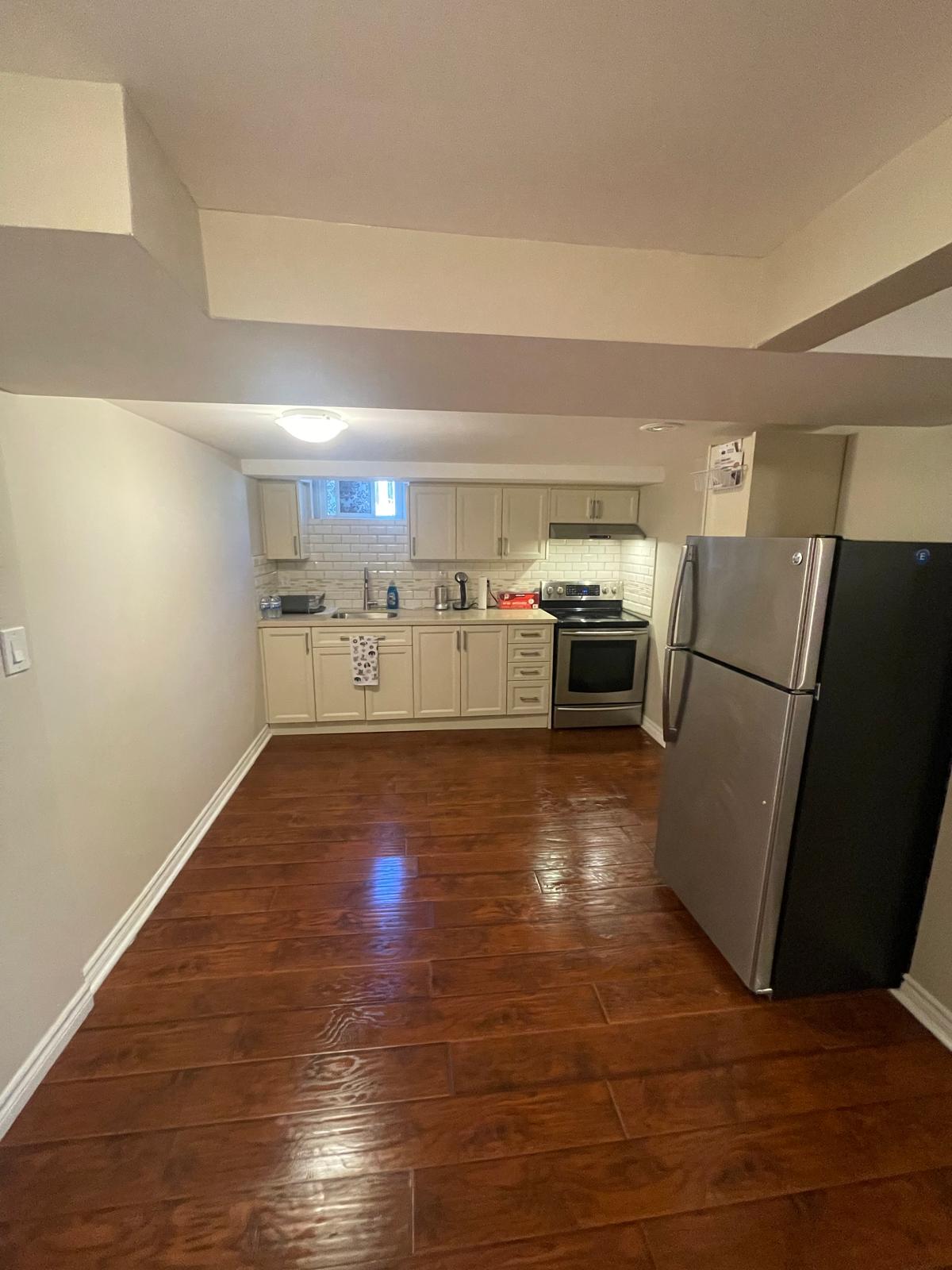
TopDown Renovations finishes Toronto basements, including legal secondary suite conversions for rental income. A 1,000 sq ft mid-range basement runs $40,000 to $65,000, a legal apartment conversion runs $65,000 to $95,000, and underpinning adds $40,000 to $80,000 if needed. Licensed, insured, $5M coverage. We file City of Toronto permits and register the suite at completion.
Basement renovation in Toronto is one of the highest-return projects you can take on. A finished basement adds usable square footage, a legal secondary suite adds rental income, and an in-law suite gives multi-generational families a separate space without selling the house. We handle every stage of basement work, from waterproofing and underpinning to framing, finishing and final inspections.
Toronto Basement Specifics You Need to Know
Toronto basements come with a few specific challenges that suburban basements outside the city often do not have. We deal with these every week.
- High water table. Many Toronto neighbourhoods, especially anything south of Eglinton or near the lake, sit on clay soil with a high water table. Without proper waterproofing, basements seep or flood. Solutions include exterior weeping tile, interior weeping tile with a sump pump, dimple membrane on the inside of the foundation walls, and crack injection where applicable.
- Low ceiling heights. Pre-1960s Toronto homes often have basement ceilings under the 6 foot 5 inch code minimum. Underpinning lowers the basement floor by 1 to 2 feet, adding the ceiling height needed for a legal living space. Bench footing is a less expensive alternative for some scenarios.
- Knob and tube and old wiring. Older Toronto homes still have legacy wiring in the basement. We replace it during the renovation and upgrade the panel if amperage is insufficient.
- Cast iron drains and lead supply lines. Replacing or extending these to add a basement bathroom is normal scope on Toronto basement projects.
- Asbestos in old vermiculite insulation or duct wrap. If found, we stop work and bring in licensed abatement before continuing.
Legal Secondary Suite Requirements in Toronto
Adding a legal secondary suite to your Toronto basement requires meeting Ontario Building Code and City of Toronto bylaws. The main requirements:
- Minimum ceiling height of 6 feet 5 inches in habitable areas (6 feet 4 inches under beams in some cases)
- Separate entrance or compliant egress windows in every bedroom
- 30 to 45 minute fire separation between the suite and the main dwelling
- Hardwired interconnected smoke alarms in both units
- Compliant kitchen with cooktop ventilation
- Separate heating zone or compliant shared HVAC
- Compliant rental zoning for the lot
For the official municipal requirements, see the City of Toronto secondary suite requirements and the Ontario Building Code basement provisions.
Basement Apartment Conversion
Most clients in Vaughan, Brampton, Mississauga, North York and Scarborough want a basement that doubles as either a long-term rental or in-law space. The conversion typically includes a small kitchen with a 24 inch range, a 4-piece bathroom, one or two bedrooms with proper egress windows, a living area, and either a separate entrance through a side door or walkout.
Sound separation is often what clients ask about most. We use resilient channel on the ceiling, mineral wool insulation between the floor joists, and solid-core doors on the suite entry to keep noise from carrying upstairs.
Pricing for a Toronto Basement Renovation
Basement renovation pricing in Toronto follows scope and finish level. Rough numbers:
- Basic basement finishing: $25 to $35 per sq ft. Framing, insulation, drywall, basic flooring, basic lighting, paint. No bathroom.
- Mid-range with bathroom: $40 to $55 per sq ft. Adds a 3-piece or 4-piece bathroom, better flooring, pot lights, painted trim, basic kitchenette.
- Legal secondary suite: $60 to $80+ per sq ft. Full kitchen, bathroom, separate entrance, fire separation, HVAC zoning, soundproofing.
- Underpinning add-on: $400 to $500+ per linear foot of foundation, depending on depth.
For a full per-square-foot breakdown including the 1,000 sq ft basement cost example and a basement with bathroom cost, see our basement renovation cost page.
Our Basement Finishing Process
- Free estimate and feasibility check. We measure the basement, check ceiling heights, confirm whether a legal suite is possible, and confirm waterproofing status.
- Design and permit. Floor plan finalized, permit application filed with the City of Toronto.
- Waterproofing and underpinning. If needed, this happens first.
- Rough framing, plumbing, electrical, HVAC. Inspections at this stage.
- Insulation and drywall. Closed-cell foam or rigid foam on foundation walls, batt insulation in framed walls.
- Flooring, paint, trim, fixtures, kitchen and bathroom finishes.
- Final inspection and walkthrough.