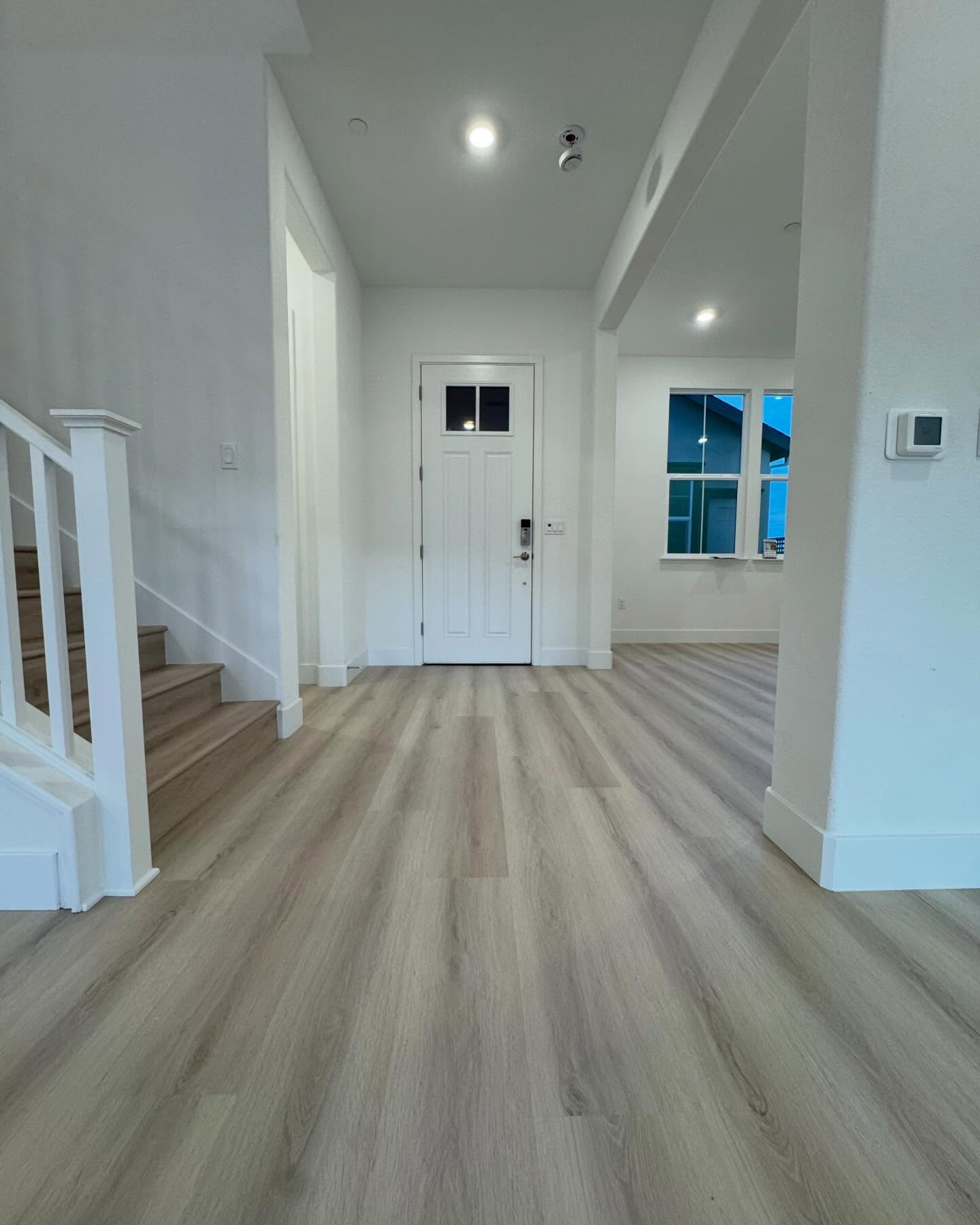
TopDown Renovations builds home additions across Toronto and the GTA, including rear, side, second-storey, bump-out, and sunroom additions. Toronto additions run $400 to $700 per square foot for finished space. We coordinate the structural engineer, file City permits, and handle Committee of Adjustment minor variances when needed. Licensed, insured, $5M general liability.
Home addition contractors in Toronto need to handle three things at once: structural engineering, the City permit process, and the disruption of working on a house people are still living in. We have built rear additions, second-storey additions, and side bump-outs across the GTA, and we run every project with a single project manager who handles permits, the engineer, the trades and the inspections.
Types of Home Additions and House Extensions
Most Toronto additions fall into one of these categories. Each has its own cost and timeline profile.
- Rear addition (one storey). Most common in older Toronto neighbourhoods like the Junction, Roncesvalles, North York and Scarborough. Adds a larger kitchen or family room at the back of the house. Typical size 200 to 600 sq ft.
- Two-storey rear addition. Adds kitchen or family room downstairs, primary bedroom or office upstairs. Common in Etobicoke and central Toronto where lot depth allows it.
- Second-storey addition. Full second floor on a bungalow. Popular in Etobicoke, Scarborough and parts of North York. See our dedicated second floor addition Toronto page.
- Side addition or bump-out. Smaller addition extending sideways, often to enlarge a kitchen, dining area or primary ensuite. Lot setback rules limit how far you can go.
- Sunroom. Three-season or four-season room added at the back. Lower cost than a full addition but limited insulation in three-season versions.
- In-law suite addition. Self-contained unit attached to or above the garage with its own entrance, kitchen and bathroom.
- Garage conversion or addition above garage. Adds a primary bedroom or office over an existing garage with a foundation upgrade.
Toronto Permit Process for Home Additions
The Toronto permit process is the longest part of any addition project. Here is the typical sequence:
- Zoning review. We confirm your lot's zoning bylaw limits on lot coverage, building height, setbacks and floor space index.
- Committee of Adjustment if needed. If the addition exceeds zoning, you apply for a minor variance. This adds 3 to 5 months and a public hearing.
- Architectural drawings. Stamped drawings showing the addition, tie-in to the existing house, mechanical, and structural.
- Structural engineering. Foundation design, beam sizing, tie-in details. Required for every addition.
- Building permit application. Filed with the City of Toronto Building Division. Review timeline runs 4 to 12 weeks depending on workload.
- Inspections. Footing, framing, insulation, plumbing rough-in, electrical rough-in, HVAC, and final occupancy.
Reference: City of Toronto zoning bylaws and Ontario Building Code structural requirements.
Cost Ranges by Addition Type
Toronto home addition costs depend heavily on whether you are adding wet rooms (kitchen, bathroom, laundry) and how the foundation has to work. Rough numbers:
- Sunroom (three-season): $40,000 to $80,000
- Bump-out (50 to 100 sq ft): $50,000 to $120,000
- One-storey rear addition (200 to 400 sq ft): $150,000 to $350,000
- Two-storey rear addition (400 to 800 sq ft): $300,000 to $700,000
- Second-storey addition on a bungalow: $400,000 to $800,000+
- Garage conversion or above-garage addition: $150,000 to $300,000
For per-square-foot breakdowns and what is included, see home addition cost in Toronto.
Structural Engineering Requirements
Every addition in Toronto needs a stamped structural engineering package. The engineer designs the new foundation (typically poured concrete on engineered footings), the beams that carry the new addition, and the tie-in connections to the existing house. For second-storey additions, the engineer also reviews whether the existing foundation can carry the new load. If not, foundation underpinning or replacement is added to scope.
House Extensions in the GTA: What to Expect
House extensions in the GTA outside the City of Toronto follow similar rules but the timeline is usually faster. Vaughan, Markham, Richmond Hill, Mississauga and Brampton all have their own zoning bylaws and Committee of Adjustment processes. We handle the local permit process based on which municipality you are in.